

 Back to Blog


7 min read


The Role of Drones in Modern Response Coordination
How connected drone operations extend situational awareness and support field teams during active missions.
When mission status, responder locations, hazards, and field activity arrive in one connected view, coordination becomes a shared activity — not a series of separate conversations.
Emergency operations rarely fail because a single team lacks capability. They become difficult because the information required to coordinate them — mission status, responder positions, hazard conditions, field activity — lives in different systems, updates at different times, and reaches different people in different formats.
Real-time visibility is the practice of closing that distance. Not by adding another screen, but by giving everyone involved in the operation the same connected picture of what is happening.
In most response environments, the operational picture is assembled from several sources at once. A dispatch system holds the request. A radio channel carries the field update. A map runs on one screen while a status board sits on another. Each source is useful on its own. Together, they create work — because someone has to reconcile them.
Without a connected view, teams are often working from partial information:
None of these gaps are dramatic in isolation. In combination, they slow the loop between understanding a situation and acting on it.
Knowing that a responder is at a coordinate is different from knowing that they are on scene, en route, or delayed. Location without mission context produces a map full of dots — but not a picture of the operation.
A position refreshed every second is not automatically more useful than one refreshed every thirty. What matters is whether the update reaches the role that needs to act on it, at the moment the decision is being made.
The value of a connected operational view is not that it shows more. It is that it removes the reconciliation work that sits between seeing a situation and responding to it.
Emergency operations will continue to involve multiple teams, multiple systems, and multiple sources of information. The opportunity is not to eliminate that complexity. It is to stop asking people to hold it together manually.
Connected visibility does not remove the judgement a response requires. It gives that judgement a clearer basis.
How connected drone operations extend situational awareness and support field teams during active missions.
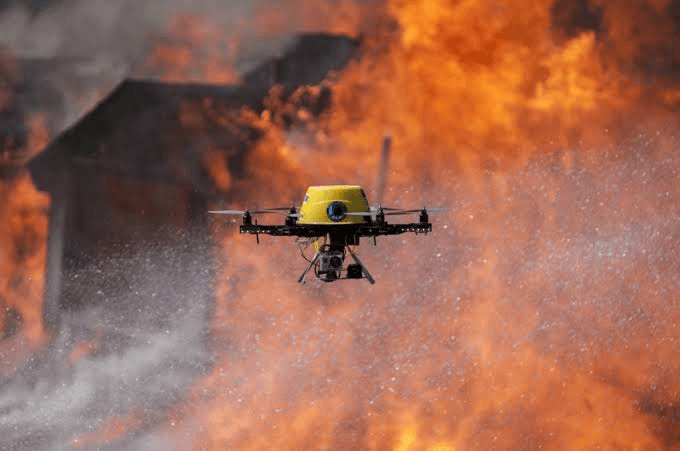
How connected drone operations extend situational awareness and support field teams during active missions.
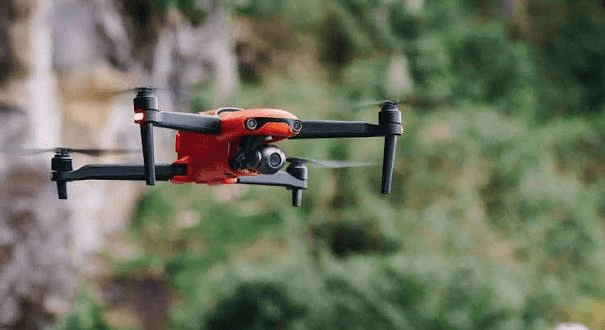
How connected drone operations extend situational awareness and support field teams during active missions.
Tell us about your team, mission, deployment scope, and operational requirements.